

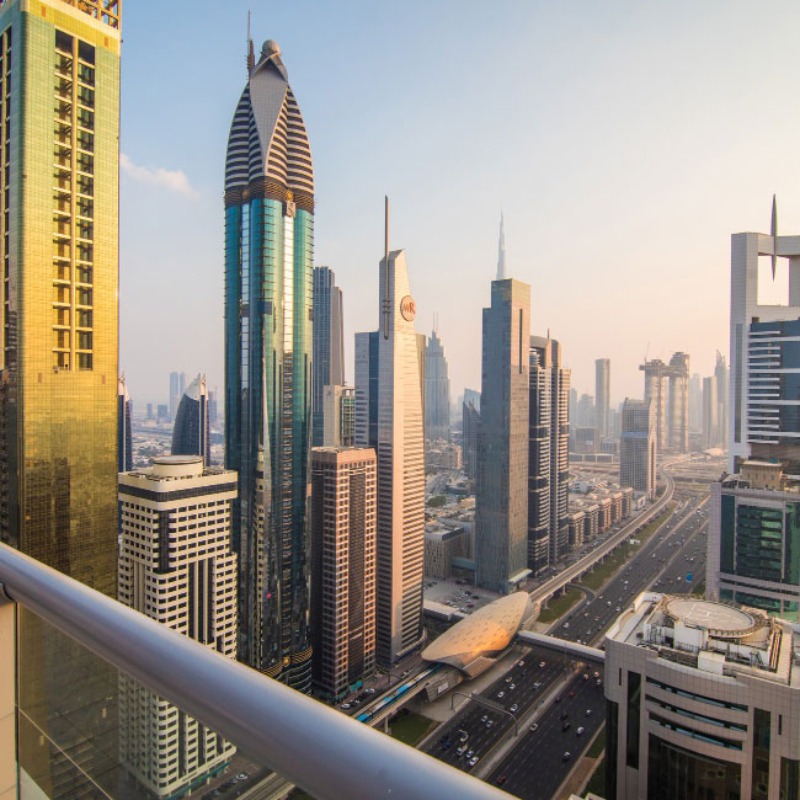
Arabian Travel Market 2026: How Dubai Is Shaping the Future of Global Tourism
The travel industry is changing faster than the act of travelling itself.
Flights still move people between cities.
Hotels still provide rooms.
Destinations still compete for visitors.
But almost everything around those basic activities is being transformed by technology.
Artificial intelligence builds itineraries.
Biometrics change airport experiences.
Hotels personalise stays using data.
Travellers discover destinations through social media.
Apps increasingly manage an entire journey.
Those changes will be at the centre of Arabian Travel Market 2026, taking place at Dubai World Trade Centre from 14 to 17 September.
The event brings together tourism boards, airlines, hotels, travel companies, technology providers, investors and professionals from around the world.
The Traveller Has Changed
The modern traveller approaches a trip differently from someone planning one 15 years ago.
Printed brochures have largely disappeared.
Travel agents remain important in some markets, but millions of people now organise trips independently.
They compare flights online.
Read hotel reviews.
Watch destination videos.
Search restaurants on social media.
Build itineraries through apps.
This has made travellers more informed.
It has also made competition more intense.
A hotel is no longer competing only with nearby hotels.
It is competing with thousands of alternatives visible on the same screen.
Destinations face a similar challenge.
AI Is Becoming a Personal Travel Planner
Generative artificial intelligence could become one of the biggest changes in travel planning.
Instead of searching dozens of websites, a traveller can increasingly describe what they want.
A family might ask for a five-day Dubai itinerary with a particular budget.
A business traveller might request a hotel close to Dubai World Trade Centre with convenient transport and restaurant options.
AI can generate suggestions almost instantly.
This changes the role of search engines and travel platforms.
Tourism businesses will increasingly need to understand how their information is discovered by AI systems.
Visibility may no longer depend only on ranking highly in conventional search results.
Hotels Are Becoming Experience Platforms
The modern hotel increasingly sells more than accommodation.
Restaurants. Wellness. Entertainment. Activities. Transportation. Workspaces. Loyalty programmes.
The hotel becomes a gateway into the destination.
Technology allows these services to be offered before the guest even arrives.
A hotel app may recommend a restaurant reservation.
Offer airport transport.
Suggest a spa treatment.
Sell tickets to an attraction.
The more effectively these services are integrated, the more valuable each customer becomes.
Dubai Is an Ideal Place to Discuss Tourism
Dubai itself is one of the world’s most visible examples of destination development.
The city used aviation, hospitality, retail, events and infrastructure to build a global tourism economy within a relatively short period.
Visitors now come for many different reasons.
Business. Shopping. Beaches. Food. Entertainment. Family attractions. Major events. Short stopovers. Luxury experiences.
This diversity makes Dubai particularly relevant to tourism professionals studying how destinations can broaden their appeal.
Those visiting Arabian Travel Market can find additional ideas for restaurants, attractions, shopping and things to do through Dubai City Guide, making it easier to extend a business visit into a wider city experience.
Travel Technology Is Becoming an Industry of Its Own
Travel technology once meant online booking.
The category is now much broader.
Revenue-management systems.
AI itinerary tools.
Hotel operations software.
Biometric identity.
Digital payments.
Virtual concierge systems.
Customer analytics.
Dynamic pricing.
Robotics.
Smart airport systems.
Tourism companies increasingly depend on technology that travellers barely notice.
A hotel guest may simply experience faster check-in.
Behind the scenes, several systems may be exchanging information automatically.
This invisible infrastructure is becoming one of the most important areas of competition.
Airports Are Becoming More Automated
The airport experience is another area changing quickly.
Travellers traditionally show documents repeatedly.
At check-in.
Security.
Immigration.
Boarding.
Biometric systems could reduce some of that friction.
A verified identity can potentially be recognised across several stages of the journey.
Self-service baggage systems continue to expand.
AI can help airports forecast passenger flow.
Airlines use data to manage delays and operational disruptions.
The long-term goal is simple.
Make travel feel smoother without weakening security.
Sustainability Is Becoming Operational
Tourism has a difficult relationship with sustainability.
Destinations want more visitors because visitors create revenue and employment.
Large numbers of tourists can also create pressure on transport, water, energy and local communities.
Air travel produces emissions.
Hotels consume resources.
Popular destinations can become overcrowded.
The industry therefore needs practical solutions rather than slogans.
More efficient aircraft.
Better building systems.
Renewable energy.
Water conservation.
Smarter visitor management.
Longer stays that generate more value per traveller.
Arabian Travel Market provides a place where destinations can compare strategies.
The Middle East Is Becoming More Competitive
Dubai is no longer the only major tourism development story in the region.
Saudi Arabia is investing heavily in new destinations.
Abu Dhabi continues expanding culture and entertainment.
Qatar has built significant tourism infrastructure.
Oman is positioning itself around nature and heritage.
Egypt is developing new hospitality capacity.
Competition can benefit the region as a whole.
More destinations encourage airlines to expand routes.
Hospitality companies invest more.
Visitors may combine several countries within one trip.
The Middle East can increasingly be marketed as a multi-destination tourism region rather than a collection of isolated markets.
Business Relationships Still Matter
Tourism is highly digital, but commercial relationships remain essential.
Hotels work with tour operators.
Tourism boards partner with airlines.
Travel agencies negotiate inventory.
Technology companies need hospitality clients.
Investors search for hotel projects.
Airlines negotiate destination partnerships.
A physical trade event compresses months of meetings into several days.
That is why large travel marketplaces remain relevant even though most travel bookings happen online.
The Future of Tourism Is About Removing Friction
Travellers do not wake up wanting more technology.
They want easier travel.
They want to find the right flight quickly.
Arrive at airports without unnecessary waiting.
Check into hotels smoothly.
Discover interesting places.
Receive help when plans change.
Technology is valuable when it removes friction from those moments.
That is why Arabian Travel Market 2026 matters.
It brings together the companies that operate almost every stage of a journey and asks how those stages can work better together.
Dubai provides an appropriate backdrop.
The city itself was built around the idea that global movement creates economic opportunity.
In September, the travel industry comes to Dubai to decide where that movement goes next.