

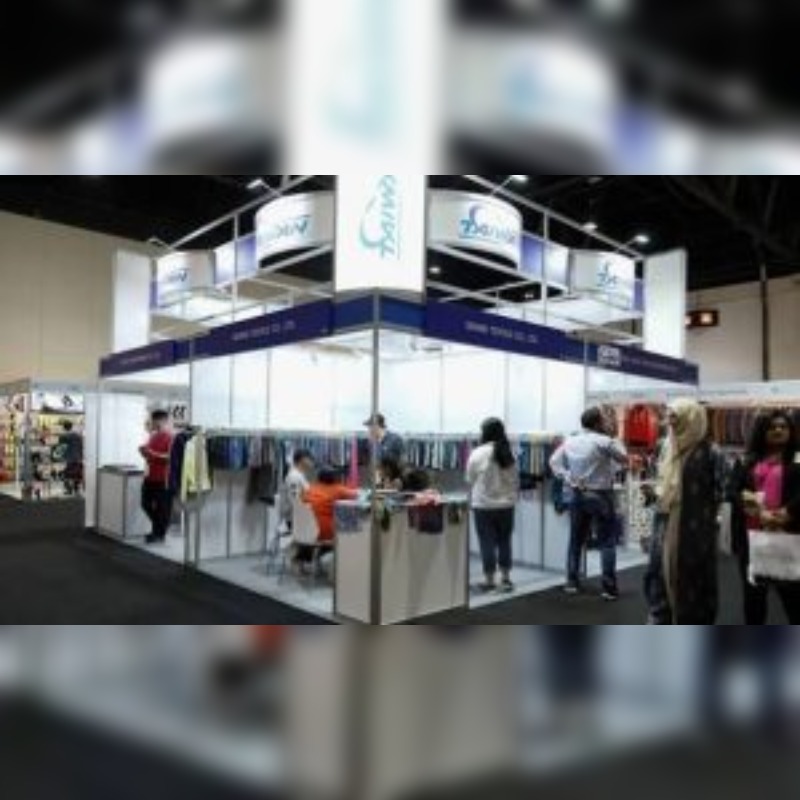
International Apparel & Textile Fair 2026 Brings 400+ Global Fashion Suppliers to Dubai
Fashion buyers, designers, retailers, wholesalers and clothing manufacturers will gather at Dubai World Trade Centre from 16 to 18 November 2026 when the International Apparel & Textile Fair returns for its November sourcing edition.
The UAE-focused trade fair has developed into one of the Gulf’s major professional sourcing platforms for fabrics, garments, home textiles, handbags, footwear and clothing accessories.
More than 400 exhibitors are expected across three days, bringing international manufacturers and mills directly into contact with buyers serving the Middle East and North Africa.
The event is business-to-business rather than consumer-focused.
Retailers attend to find products.
Fashion labels search for manufacturers.
Designers identify fabrics.
Wholesalers build new supplier relationships.
Importers evaluate collections.
Private-label businesses investigate production opportunities.
For fashion businesses in Dubai, the fair provides something difficult to achieve through online catalogues alone: the ability to see, touch and compare materials from hundreds of potential suppliers within a single visit.
Fashion Begins Long Before the Clothing Store
Consumers see finished garments hanging on racks.
The supply chain begins much earlier.
Cotton is grown.
Fibres become yarn.
Yarn becomes fabric.
Fabric is dyed or printed.
Designers develop products.
Patterns are created.
Factories cut and sew garments.
Labels and trims are attached.
Products are packed.
Freight moves them internationally.
Retailers finally place them in stores.
IATF focuses on many of the business relationships inside this process.
A fashion company cannot succeed consistently without a reliable supply chain behind the brand.
Fabric Selection Can Determine the Entire Product
Two shirts may look similar in photographs but feel completely different when worn.
Fabric controls much of that difference.
Weight.
Texture.
Stretch.
Breathability.
Durability.
Drape.
Colour retention.
A designer therefore needs to understand materials physically.
This is one reason textile trade fairs remain relevant despite digital sourcing.
A specification sheet cannot fully communicate hand feel.
Buyers want to touch fabric.
Stretch it.
Examine the weave.
See colour under real lighting.
Textile Mills Compete on More Than Price
Price remains important.
So do consistency and reliability.
Can the mill reproduce the same shade across several production runs?
Does fabric shrink?
Does it meet colour-fastness requirements?
Can sufficient quantity be delivered?
What certifications are available?
How long is the lead time?
International buyers often prefer a slightly more expensive supplier if reliability reduces risk.
A delayed fabric shipment can stop an entire clothing collection from reaching stores on time.
Garment Manufacturing Is Highly Globalised
A brand may be headquartered in Europe.
Fabric could originate from Turkey.
Garments may be manufactured in South Asia.
Accessories can come from China.
Products may then be sold in the Gulf.
This global model can lower production costs and provide access to specialist expertise.
It also creates complexity.
Shipping routes matter.
Currencies fluctuate.
Regulations differ.
Political disruption can affect suppliers.
Fashion companies increasingly need sourcing portfolios rather than dependence on one country.
Nearshoring Is Becoming More Attractive
Recent supply-chain disruption encouraged brands to reconsider extremely long production routes.
Manufacturing closer to the final market can shorten lead times.
Brands can react to trends more quickly.
Inventory requirements may decline.
Turkey, for example, can provide geographic advantages for companies serving Europe and the Middle East.
Regional manufacturing in the MENA area may also expand.
Global sourcing will remain important, but speed is becoming more valuable alongside cost.
Fast Fashion Changed Production Timelines
Traditional fashion calendars operated around clearly defined seasons.
Fast-fashion companies accelerated that system dramatically.
New products began arriving constantly.
Social-media trends accelerated expectations even further.
Manufacturers need flexibility.
Small runs may need to be produced quickly.
Designs can change at short notice.
Fabric suppliers need stock availability.
Speed has become a competitive capability.
But this model also contributes to overproduction and waste.
Ultra-Fast Fashion Creates Even Greater Pressure
Digital fashion companies increasingly use data to identify micro-trends and launch products rapidly.
Small quantities can be tested.
Successful products are reordered.
This reduces certain inventory risks while creating other environmental concerns.
Very inexpensive garments may be treated as disposable.
The industry therefore faces a difficult question.
Can fast production become more responsible without losing the responsiveness consumers now expect?
Sustainability Is Reshaping Textile Sourcing
Fashion has a significant environmental footprint.
Raw materials require resources.
Dyeing consumes water and chemicals.
Manufacturing consumes energy.
Transportation adds emissions.
Unsold clothing creates waste.
Brands are therefore exploring lower-impact materials, cleaner production and circular business models.
Buyers increasingly ask suppliers for sustainability information.
The challenge is verifying claims rather than accepting marketing language.
Organic Cotton Is One Option, Not a Complete Solution
Organic cotton reduces or eliminates certain conventional agricultural inputs depending on certification requirements.
It can support different farming practices.
But cotton still requires land and water.
Transportation still creates emissions.
Manufacturing still matters.
Sustainability needs lifecycle thinking.
No fibre automatically becomes environmentally perfect because of one label.
Professional buyers increasingly evaluate several criteria together.
Recycled Polyester Has Expanded
Polyester is one of the world’s most widely used fibres.
Recycled versions often use plastic bottles or textile waste as feedstock.
This can reduce reliance on virgin fossil-derived material.
But recycled polyester still presents challenges around microfiber shedding and eventual end-of-life recycling.
The industry’s longer-term goal is increasingly textile-to-textile recycling rather than depending heavily on bottles.
That technology is developing but needs much greater scale.
Textile Recycling Is Technically Difficult
Clothing often combines several fibres.
Cotton mixed with polyester.
Elastane added for stretch.
Dyes.
Finishes.
Buttons.
Zippers.
Separating these materials is complicated.
Mechanical recycling can shorten fibres.
Chemical recycling may offer other possibilities but requires investment.
Designing products for eventual recycling could make the process easier.
Circular fashion therefore begins with material selection.
Deadstock Can Become a Commercial Resource
Unused fabric often remains after production runs.
Traditionally, this could become waste.
Designers increasingly use deadstock intentionally.
Small brands may create limited collections around available materials.
This reduces waste while creating scarcity.
However, consistent scale can be difficult because once a deadstock fabric is gone, identical material may not be available again.
Digital Printing Can Reduce Minimum Quantities
Traditional textile printing can require significant setup.
Digital printing allows smaller runs and more complex patterns.
Designers can test products without committing to enormous quantities.
Personalisation becomes easier.
Shorter runs can reduce unsold inventory.
However, print technology needs appropriate fabrics and colour-management expertise.
Manufacturing flexibility depends on the complete process.
AI Is Entering Fashion Design
Generative AI can create concept images.
Colour variations.
Print ideas.
Mood boards.
Early garment concepts.
This accelerates creative exploration.
But AI does not understand fabric physically in the way an experienced designer does.
An attractive generated garment may be impossible to construct.
Professional pattern cutting, material knowledge and fit remain necessary.
AI is becoming another design tool rather than a replacement for the full product-development process.
AI Can Also Improve Demand Forecasting
Fashion companies struggle with inventory.
Produce too little and sales are lost.
Produce too much and products need discounting.
AI can analyse historical sales, weather, online behaviour and trends.
Better forecasting could reduce waste and improve margins.
But fashion remains unpredictable.
A celebrity can make an item popular overnight.
A trend can disappear within weeks.
Models improve decisions without eliminating uncertainty.
3D Sampling Can Reduce Development Waste
Fashion brands historically produced several physical samples during development.
Digital 3D garment tools can reduce some of this.
Designers can simulate fit.
Colours can change digitally.
Teams in different countries can review prototypes online.
Physical samples remain necessary before final production.
But reducing unnecessary rounds can save time, shipping and material.
Footwear Adds a Different Supply Chain
IATF extends beyond fabrics and garments into footwear and accessories.
Shoes involve different manufacturing processes.
Soles.
Uppers.
Foams.
Leather or alternative materials.
Hardware.
Adhesives.
Fit requirements.
Factories often specialise strongly.
Footwear brands therefore need supplier networks different from ordinary clothing companies.
The trade fair allows buyers to explore both categories in one environment.
Leather Goods Remain a Premium Category
Handbags, belts and accessories can generate significant margins.
Material quality matters.
Construction quality matters.
Hardware influences perception.
Stitching needs precision.
Luxury brands build enormous value around craftsmanship and design.
At the same time, alternative materials are growing as companies explore vegan and lower-impact products.
Consumers increasingly ask what materials actually are rather than accepting vague claims.
Home Textiles Connect Fashion With Interiors
Home textiles form another core category.
Curtains.
Bedding.
Towels.
Upholstery fabrics.
Decorative materials.
The buyers differ from fashion retail.
Hotels need commercial durability.
Interior designers care about aesthetics and specification.
Home retailers need seasonal collections.
The inclusion of home textiles expands the fair beyond clothing into wider consumer and hospitality markets.
Hospitality Creates Large Textile Orders
A hotel opening requires enormous quantities of textile products.
Bed linen.
Towels.
Curtains.
Upholstery.
Staff uniforms.
Restaurant textiles.
Products need durability because laundering is frequent.
Fire standards may apply.
Colour consistency matters across replacement orders.
Supplier reliability can therefore be more important than initial price.
Modest Fashion Is a Major Regional Market
The Gulf has significant demand for modest fashion.
Abayas.
Scarves.
Long dresses.
Contemporary modest clothing.
The category has become increasingly sophisticated.
Consumers expect modern design, quality fabrics and strong branding.
International labels are also paying more attention to modest collections.
Regional buyers need mills and manufacturers capable of producing suitable materials and construction.
Sportswear Continues to Influence Everyday Clothing
Athleisure blurred the boundary between sportswear and casual fashion.
Stretch fabrics.
Moisture management.
Lightweight constructions.
Performance fibres.
Consumers increasingly wear these materials outside sport.
This creates opportunities for technical textile suppliers.
Fashion buyers need a better understanding of performance specifications traditionally associated with specialist sports manufacturers.
Smart Textiles Could Create New Categories
Textiles can increasingly incorporate technology.
Conductive fibres.
Embedded sensors.
Heating elements.
Health monitoring.
Interactive fabrics.
Many applications remain specialised or experimental.
The broader trend is significant.
Clothing can potentially become a technology platform.
Sports, healthcare and industrial safety may adopt these products earlier than ordinary fashion.
Quality Control Begins Before Production
Fashion businesses can prevent many problems through clear specifications.
Fabric composition.
Measurements.
Colour standards.
Stitch requirements.
Testing.
Tolerance levels.
The more precise the technical information, the easier it is for factories to produce consistently.
Poor communication between brand and manufacturer creates delays and rejected goods.
Sourcing relationships therefore need professional product-development systems.
Factory Audits Matter
Brands are increasingly held responsible for conditions in their supply chains.
Worker safety.
Labour practices.
Chemical management.
Environmental standards.
A company cannot simply claim ignorance because production occurred through a supplier.
Factory audits and certification programmes attempt to increase transparency.
They are not perfect.
But buyers increasingly need evidence that products were manufactured within acceptable standards.
Traceability Is Becoming More Important
Consumers and regulators increasingly want to know where products came from.
Which factory made the garment?
Where was cotton grown?
Was recycled content genuine?
Digital traceability tools are developing to answer these questions.
QR codes may eventually allow consumers to access product histories.
Brands able to provide credible information can build trust.
E-Commerce Has Changed Fashion Sourcing
Online retailers can analyse sales rapidly.
They can launch products without large physical store networks.
This makes smaller production runs valuable.
Manufacturers traditionally built around very high minimum orders may need to become more flexible.
Digital brands also require strong product photography, packaging and fulfilment.
The sourcing relationship extends beyond garment manufacturing itself.
More Than 400 Exhibitors Create a Serious Sourcing Environment
The official November 2026 registration platform advertises more than 400 exhibitors over three days.
That scale gives buyers the opportunity to compare suppliers across several countries and product categories.
Retailers can source finished garments.
Designers can identify fabrics.
Private-label brands can find factories.
Home retailers can explore textiles.
Footwear buyers can expand collections.
The value lies in reducing months of supplier discovery into three days of direct meetings.
Fashion Still Depends on Physical Touch
The industry is increasingly digital.
Buying decisions remain physical.
A fabric looks different when it moves.
A shoe needs inspection.
Stitch quality can be seen.
Material thickness can be felt.
Colours can differ between screens and reality.
This is why sourcing fairs remain relevant even in an age of virtual meetings.
The product itself ultimately exists in the physical world.
Three Days Behind the Clothes Consumers Eventually Wear
A garment may appear simple when hanging in a shop.
Behind it are designers, mills, factories, trims suppliers, logistics companies, buyers and quality teams.
The International Apparel & Textile Fair connects many of those participants.
From 16 to 18 November 2026, more than 400 exhibitors will present fabrics, garments, footwear, home textiles and accessories at Dubai World Trade Centre.
Some meetings may lead to one small collection.
Others could create supplier relationships lasting years.
Consumers will eventually see only the final product.
The business of making that product begins much earlier.
IATF is one of the places where it begins.